
Free online invoicing software
with KSeF support
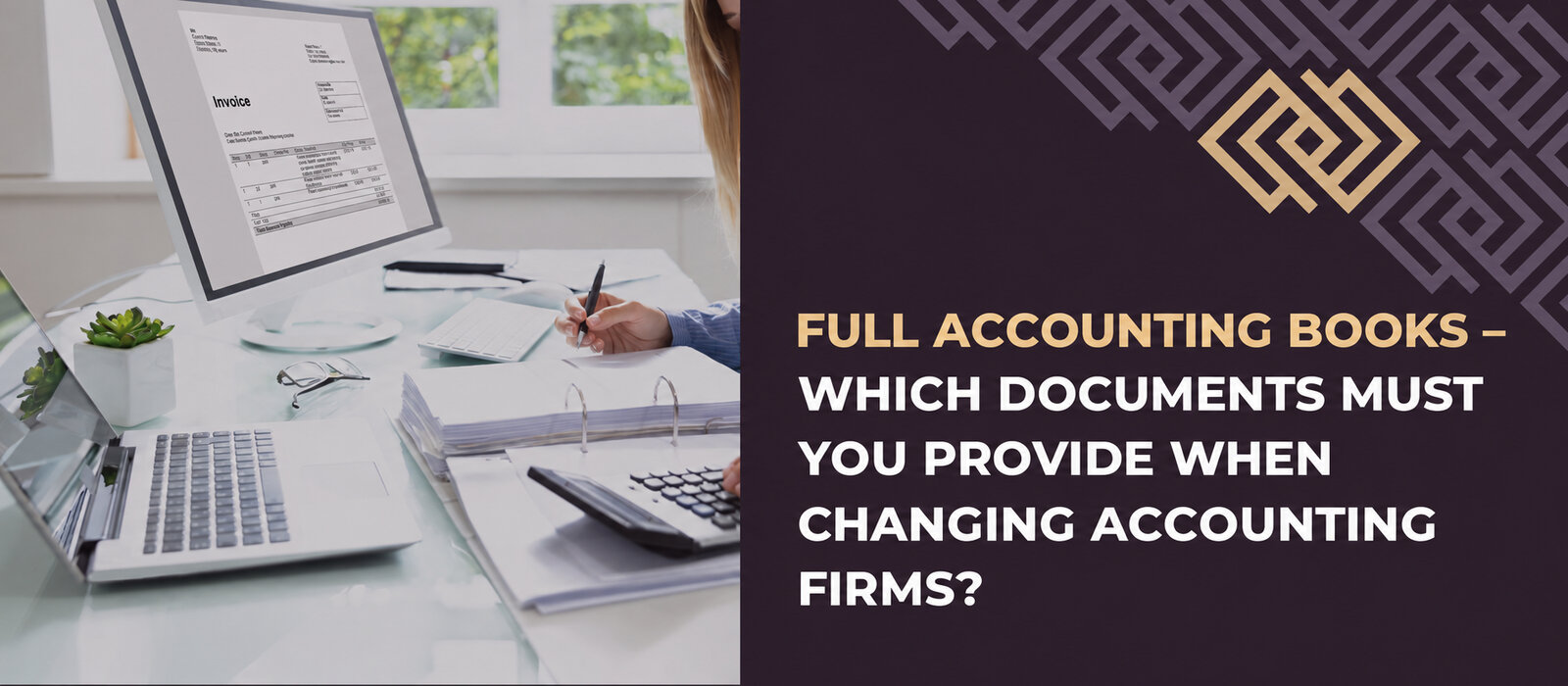
If you own a limited liability company, joint-stock company, limited partnership or another legal form required to keep full accounting books, and want to change your accounting firm but do not know how, this article is for you.
Also, if you do not know which accounting documents to provide to the new office and what to expect from the previous one at the end of cooperation, read on.
Changing accounting offices – which full-accounting documents should be provided to the new office?
If your business keeps full accounting books, after ending cooperation with the accounting office you must provide the following documents to the new one:
1. Accounting documents for full commercial books:
- accounting policies
- financial statements for the previous financial year
- CIT return for the previous accounting year
- trial balance as of the last calendar day of the previous accounting period (and a copy of the software database if possible)
- the register of fixed assets, equipment and intangible assets
- VAT purchase and sales registers with VAT-7 returns for the accounting year
- electronic JPK VAT (XML format)
- JPK_ST_KR – the Standard Audit File for fixed assets
- JPK_KR_PD – the Standard Audit File for accounting books for income tax purposes (for the period handed over)
- trial balance and closing balance sheet as of the previous office’s last accounting day
- settlements with customers and counterparties by invoice as of the previous office’s last accounting day
- the prepaid expense schedule
- foreign-currency ledgers, if foreign-currency transactions occur
- VAT-7 returns with purchase and sales VAT registers for every month of the year, plus official receipts for VAT-7 and JPK
- source documents (invoices, bank statements, cash reports, sale/purchase agreements and others)
- agreements with shareholders or members of governing bodies, including loan agreements

Subscribe to our newsletter
Leave your email address and receive guides supporting your business’s growth once a week

2. Personnel records (if the client employed staff):
a. Salary records for the current year (or copies of HR software)
b. Salary records for the last 12 months (or copies of HR software),
c. Leave records,
d. Benefits and absence records,
e. The Płatnik software database (or printouts of each DRA since the business started),
f. Employee personnel files,
g. Salary payment dates adopted by the client
3. Payroll records (if the client employed staff):
a. Payroll/salary cards and benefit cards for the accounting period (or a software copy),
b. The Płatnik software database, if applicable,
c. A summary of salary payments for the last 12 calendar months according to returns.
If this article interested you, explore our accounting services and see how we can help:
Our specialists can help you put this knowledge into practice.
Summary
Remember!
If you answered questions properly during cooperation and supplied documents promptly, including missing items, your previous accounting office should be able to return your documents without unnecessary delay – no later than after closing the month. For example, by 30 September if August was the last month settled. Under the Accounting Act, an accounting office must handle your affairs regularly, systematically and reliably. It should therefore be ready to hand over the books or promptly provide accurate, reliable financial results.

Interested in this article?
Enter your email address and once a week you will receive practical materials and tips to help you grow your business.

Book a free consultation
Grow your business with accounting combined with advisory services:

or