
Free online invoicing software
with KSeF support
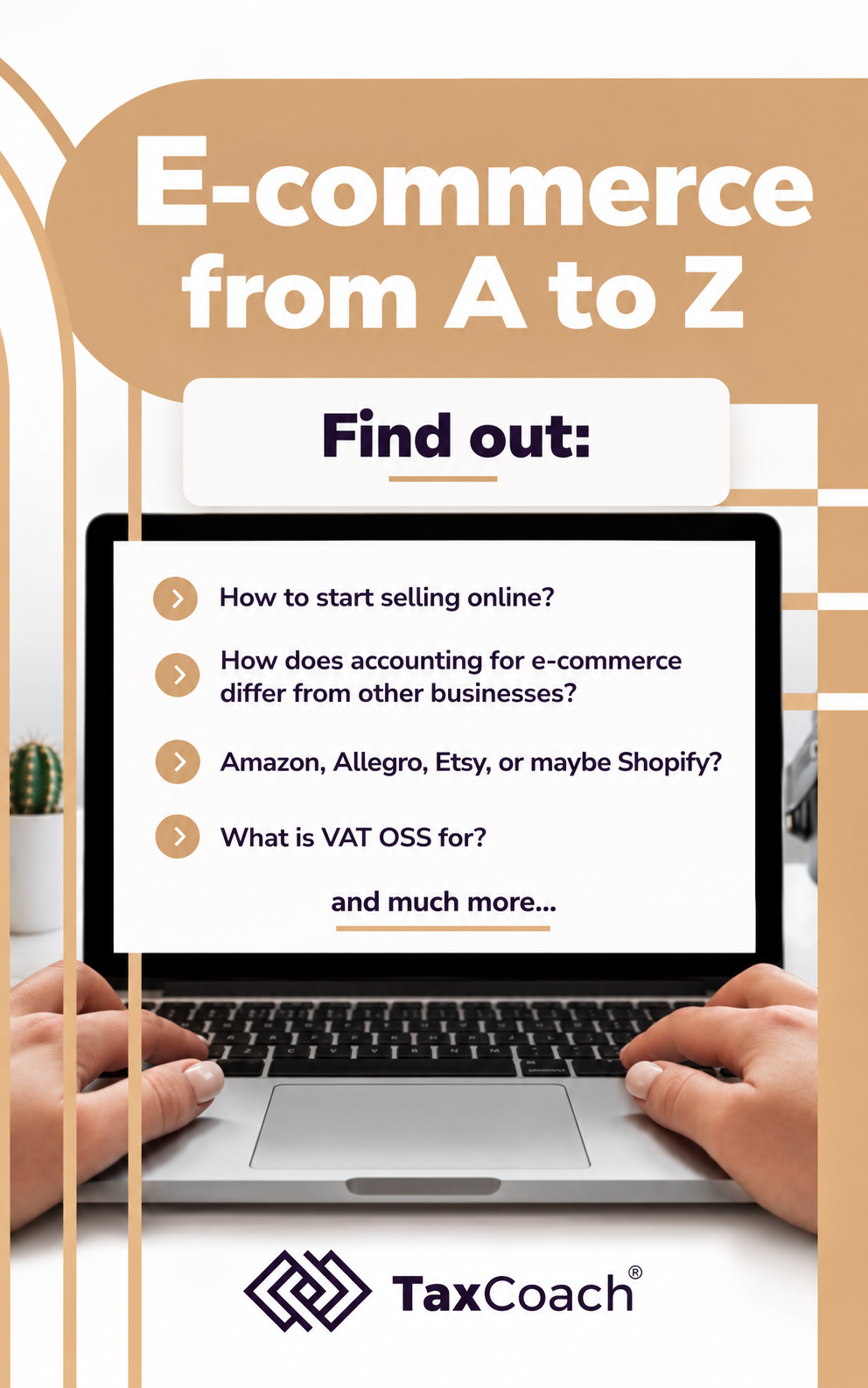
Are you planning to start selling products in Poland and wondering how to organize taxes, accounting, logistics and formal obligations? This e-book has been prepared for foreign e-commerce businesses that want to enter the Polish market and sell to customers in Poland in a safe, organized and tax-compliant way.
The publication explains what foreign sellers should know before launching online sales in Poland, which obligations may arise at the start and what to pay attention to when choosing a sales model, marketplace, logistics structure or accounting setup.

Download a free e-book
E-book contents
- How to start selling online in Poland
- Polish VAT and formal obligations
- Selling on marketplaces in Poland
- Importing and exporting goods
- Accounting, taxes and profitability
How to start selling online in Poland as a foreign company
Poland is one of the largest and fastest-growing e-commerce markets in Central and Eastern Europe. For many foreign companies, it is a natural direction for expansion - both through their own online stores and through marketplace platforms. However, before starting sales in Poland, it is worth understanding the local tax, accounting and formal requirements.
In this e-book, we explain what a foreign entrepreneur should check before entering the Polish market. We discuss business registration, VAT obligations, accounting requirements, sales channels and the key practical issues that may affect the safe development of online sales in Poland.
Polish e-commerce market entry - what foreign sellers should know
Entering the Polish market requires more than translating an online store or launching ads targeted at Polish customers. Foreign sellers should also consider how sales will be organized, where goods will be stored, which entity will issue invoices and whether registration for VAT in Poland may be required.
The e-book helps foreign companies understand the most important areas connected with selling in Poland. We show what to analyse before launching sales, how to prepare for formal obligations and how to avoid mistakes that may create tax or accounting risks at an early stage of expansion.
VAT in Poland for foreign e-commerce businesses
VAT is one of the most important topics for foreign businesses planning to sell in Poland. Depending on the sales model, place of storage, type of customer and sales volume, a foreign company may be required to register for VAT in Poland or use other VAT settlement mechanisms.
In this e-book, we explain when Polish VAT registration may be necessary, how VAT obligations work in cross-border e-commerce and what foreign sellers should know about invoicing, reporting and settlements. We also discuss why it is important to verify VAT obligations before launching sales, especially when goods are stored in Poland or sold through marketplaces.
Selling through marketplaces in Poland
Marketplaces are one of the most popular ways for foreign companies to start selling in Poland. Platforms such as Allegro and other online sales channels can help quickly reach Polish customers, test demand and grow sales without building a full local structure from the beginning.
The e-book discusses the role of marketplaces in Polish e-commerce and explains what foreign sellers should pay attention to before starting marketplace sales. We cover tax obligations, product visibility, sales organization, settlement models and the importance of proper accounting when transactions are processed through external platforms.
Import and export of goods when selling in Poland
Selling in Poland often involves importing goods, moving stock between countries or organizing deliveries from warehouses located in Poland or other EU countries. Each of these models may have different tax and formal consequences.
In the e-book, we explain what foreign sellers should know about the import and export of goods, intra-EU transactions, customs matters and product movement in e-commerce. The publication helps entrepreneurs better understand how logistics decisions may affect VAT, accounting and reporting obligations.
Accounting and tax obligations for e-commerce in Poland
Foreign companies selling in Poland should make sure that their accounting and tax processes are properly organized from the beginning. This is especially important when sales take place through several channels, invoices are issued in different systems or transactions are settled in multiple currencies.
The e-book explains the key accounting and tax issues related to e-commerce in Poland. We discuss VAT settlements, transaction documentation, marketplace reports, sales records and the importance of working with accounting support that understands both e-commerce and cross-border trade.
How to organize finances when entering the Polish market
Entering a new market requires control over costs, margins, taxes and cash flow. For foreign e-commerce businesses, financial organization is important not only for profitability, but also for making correct business decisions during expansion.
In this e-book, we show why it is worth organizing financial reporting, accounting data and tax settlements before sales in Poland start growing quickly. We explain how proper financial management can help avoid unexpected costs, improve profitability and support further business development on the Polish market.
How to grow online sales in Poland safely and profitably
Selling in Poland can create strong growth opportunities, but scaling without proper tax and accounting preparation may lead to unnecessary risk. Foreign businesses should understand which obligations apply to their model and how to build a structure that supports long-term development.
The e-book presents practical areas that should be analysed when planning growth in Poland: VAT, accounting, marketplaces, logistics, import, export and profitability. It is a guide for companies that want to enter the Polish e-commerce market consciously and build sales in a safe, compliant and profitable way.
Download a free e-book
Who is this e-book for
This e-book has been prepared for foreign entrepreneurs, e-commerce companies and online store owners who want to start selling products in Poland or expand their existing sales to the Polish market. It will be useful for companies that sell through their own online stores, marketplaces or cross-border sales channels.
The material is intended for businesses that want to understand Polish VAT, accounting obligations, marketplace sales, import and export of goods, logistics models and financial organization. It will help foreign sellers prepare for entering the Polish market and avoid the most common tax and formal mistakes.