
Free online invoicing software
with KSeF support
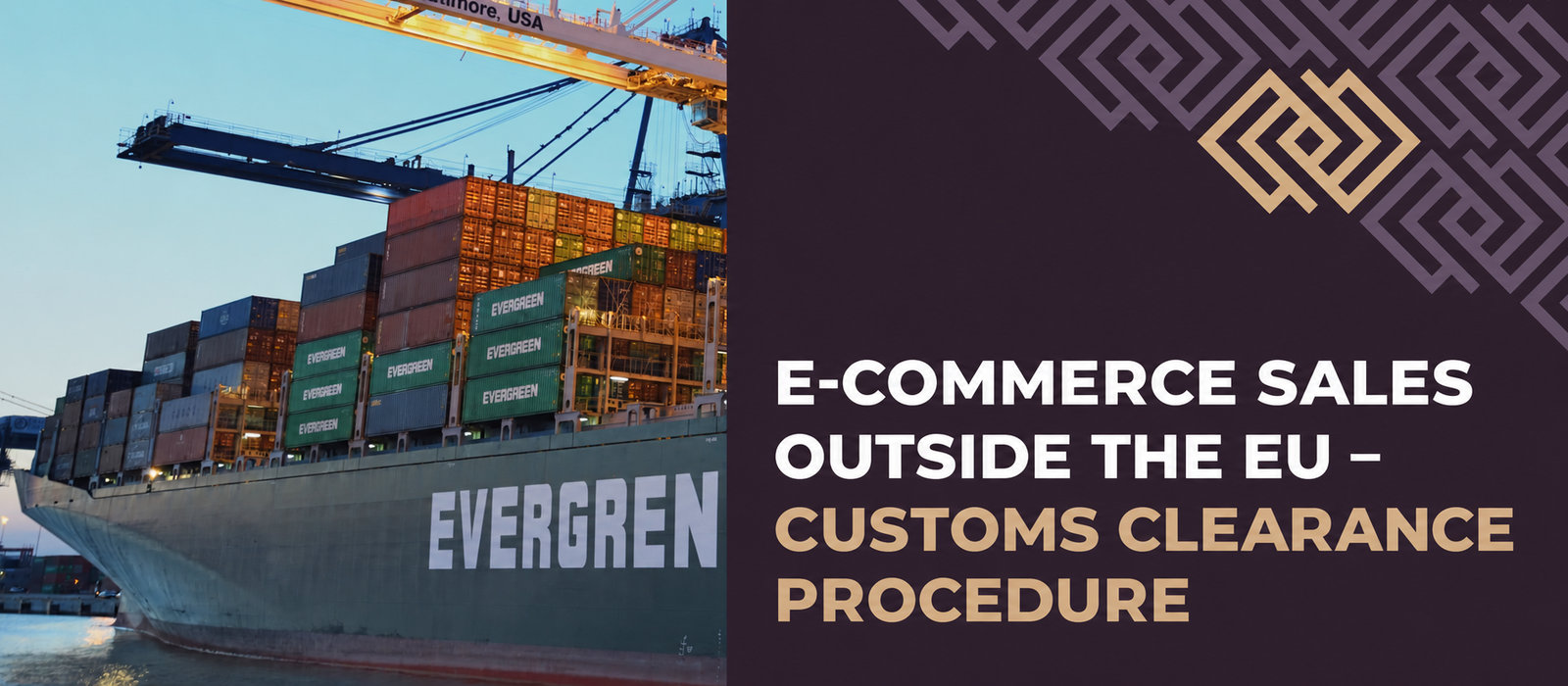
Dreaming of expanding your e-commerce sales beyond the European Union? New markets offer higher profits but also legal and administrative challenges. This article provides knowledge to help you handle them.
Legal, tax and customs rules are key to selling outside the EU
Before expanding e-commerce beyond the EU, learn the local rules of the countries to which you plan to export. EU trade benefits from largely consistent rules and substantial facilitations, including the absence of customs duties.
Outside the common European market, however, numerous challenges may arise.
They largely concern customs and tax rules, the most important parts of international trade, and vary by non-EU market. Customs duties and VAT rates differ, as may the sale and shipping procedure, sometimes requiring extra documents.
Knowing the legal, tax and customs provisions of particular non-EU countries and their agreements is therefore fundamental to successful sales outside the EU. This particularly matters for countries with EU preferential customs agreements, which may provide lower duties.

Accounting that understands your business
Leave your email address and receive guides supporting your business’s growth once a week

What does customs clearance look like for e-commerce sales outside the EU?
Whatever non-EU countries you sell to, the customs process is broadly similar. This outline of the entire procedure explains it:
- Register on the PUESC customs service platform (https://puesc.gov.pl/) and obtain an EORI number, an identifier for importing and exporting goods;
- Sell the goods to an entity outside the EU;
- Declare the goods for export through the Automated Export System (AES);
- The customs and tax office accepts the declaration;
- Receive an export operation reference number from the office;
- Customs controls end with release of goods and generation of the EAD (Export Accompanying Document);
- Obtain permission for the goods to leave the customs territory;
- The goods leave the EU;
- The customs and tax office closes the export by sending a message confirming exit from the EU. This matters: only after confirmation may the exporter apply the 0% VAT rate.
You also need appropriate documents and must retain them for five successive years from the end of the year in which the customs declaration was made, principally:
- Commercial invoice for the goods sold;
- Transport invoice for arranging transport;
- Packing list, describing the goods and packing method;
- Waybill.
In some circumstances, other documents may also be required depending on the destination or type of goods.
Customs clearance for non-EU e-commerce: alone or through a customs agency?
You can handle the entire customs clearance process yourself or engage a customs agency. The latter can help particularly with first transactions or plans for regular exports beyond the EU.
Whether using an agency or doing it yourself, expanding into new markets will require specialist help. For tax and accounting matters related to e-commerce sales, including outside the EU, find it at the TaxCoach accounting firm.

If this article interested you, explore our e-commerce accounting services and see how we can help:

Interested in this article?
Enter your email address and once a week you will receive practical materials and tips to help you grow your business.

Book a free consultation
Grow your business with accounting combined with advisory services:

or