
Free online invoicing software
with KSeF support
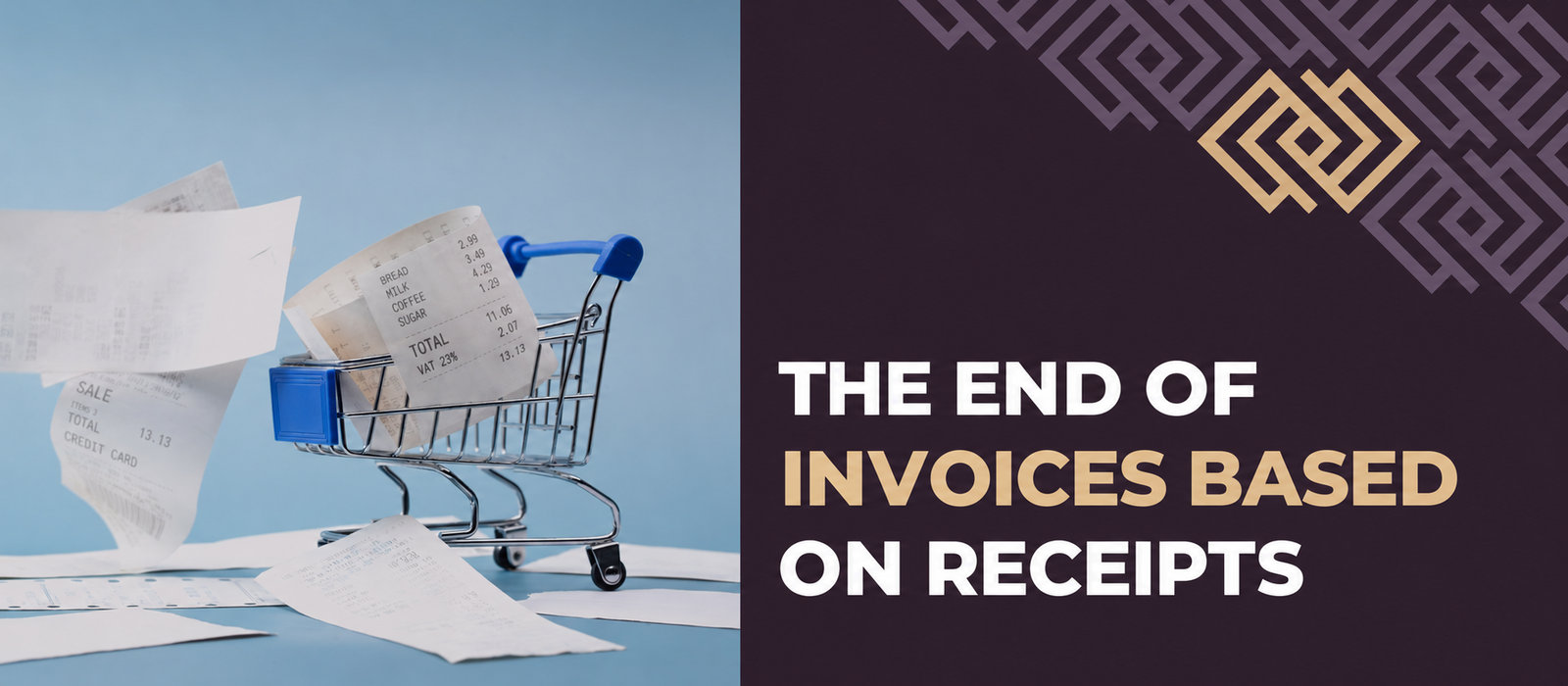
Entrepreneurs will no longer be able to issue invoices on the basis of receipts. The government has adopted the Ministry of Finance’s draft; the changes will enter into force on 1 September. The ministry explains this as a fight against dishonest practices and a tightening of the VAT system.
This is the end of a popular practice among people running businesses. It will no longer be possible to issue invoices on the basis of receipts. At present, every entrepreneur has considerable time to exchange an ordinary receipt for an invoice: three months from the end of the month in which they made the purchase, received the goods or the service was performed. In practice this often means almost four months to issue an invoice.

Subscribe to our newsletter
Leave your email address and receive guides supporting your business’s growth once a week

As the Ministry of Finance explains, this led business operators to collect other people’s receipts and later obtain invoices for them, increasing their business costs and avoiding higher taxes. On the basis of those invoices they deducted VAT that they had never actually paid. The ministry says such actions cause state budget losses of approximately PLN 1.5 billion annually.
To curb these practices, the finance ministry prepared amendments to the VAT Act. From 1 September, issuing an invoice on the basis of a receipt will no longer be possible. The entrepreneur will have to request an invoice immediately. One exception will remain: an invoice may be issued on the basis of a receipt only if the buyer’s NIP tax identification number appears on the receipt.
Failure to comply with the new rules will entail penalties for both parties. If the seller issues an invoice on the basis of an ordinary receipt, the seller will be charged, as the act states, an additional tax liability equal to 100% of the VAT amount shown on the invoice. The entrepreneur will pay exactly the same amount if they record an invoice that does not comply with the amended law.
The rules will enter into force on 1 September, but there will initially be a grace period. It will apply only to receipts issued before that date. Thus, for every receipt obtained by 31 August 2019, the entrepreneur will have three months to request an invoice. However, goods or services purchased from 1 September must have the buyer’s NIP shown on the receipt in order for an invoice to be issued.
From the moment the amendment enters into force, sellers will be responsible for changing their internal procedures and informing customers about the changes in the law.
If this article interested you, explore our accounting services and see how we can help:
Our specialists can help you put this knowledge into practice.

Interested in this article?
Enter your email address and once a week you will receive practical materials and tips to help you grow your business.

Book a free consultation
Grow your business with accounting combined with advisory services:

or