
Free online invoicing software
with KSeF support
Another government idea for making entrepreneurs’ lives easier.
In reality, a tool facilitating access to business accounts.
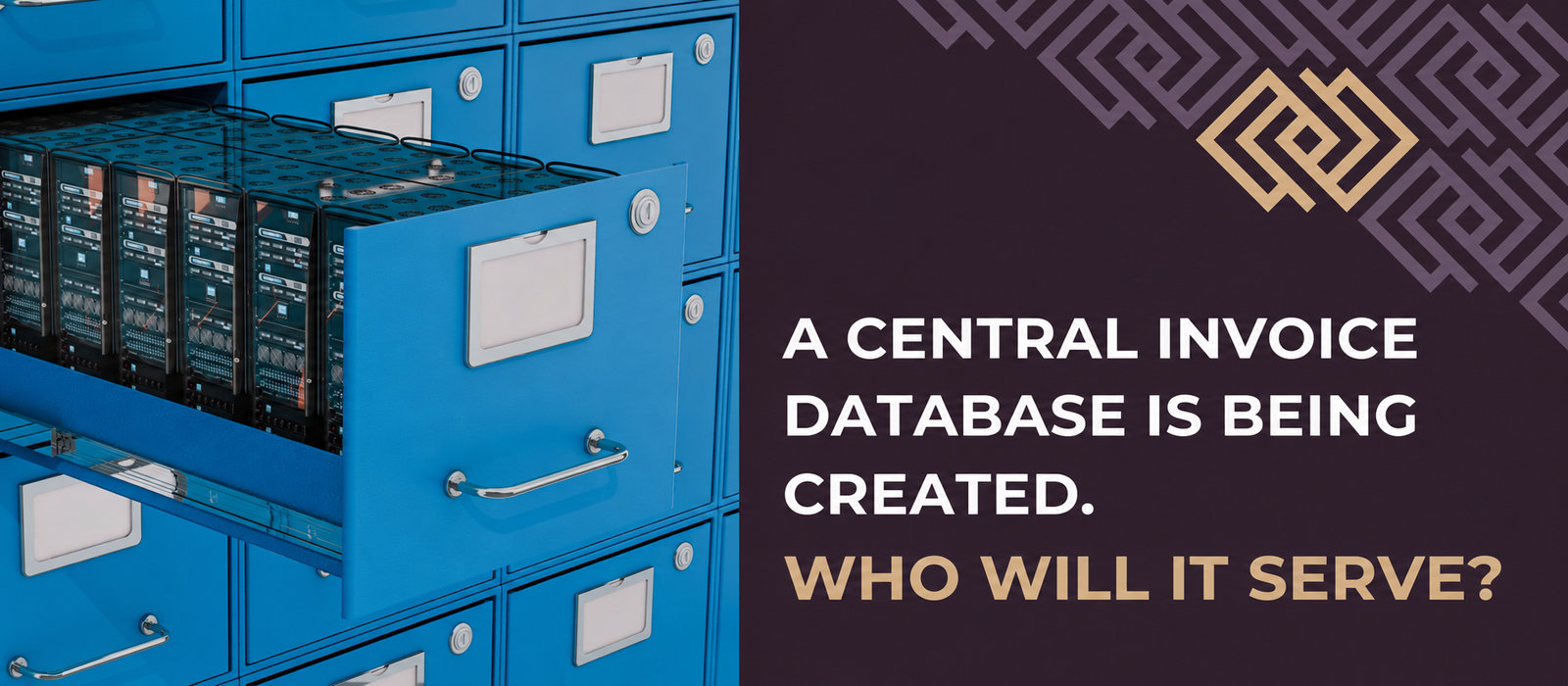
Entrepreneurs, taxpayers and the tax authorities – in short, everyone – are supposed to benefit. A central invoice database will be introduced, first as a test and then as a mandatory system.
The Ministry of Finance is working on the solution. The central invoice database is to launch in mid-2021. Entrepreneurs will be able to issue electronic invoices (e-invoices) and send them to buyers via a ministry platform, from which the buyers can download them. The tax authorities will also have access.
As the finance minister’s digital affairs representative explains, “a model for gradually implementing the new standard is being considered, similar to the introduction of JPK_VAT, for example”.
The taxpayer will have access to all e-invoices transmitted through the ministry platform via an account being prepared as part of the e-Tax Office project. This is another project under development at the ministry. The aim is for every taxpayer to have a personal account for tax purposes.
The ministry platform, and therefore all e-invoices, will be accessible from a computer, smartphone and tablet. Taxpayers will no longer have to send a JPK_Faktura file when the authority requests it, because the tax authorities will be able to access the data themselves.
From 2021, entrepreneurs will send the e-invoices they issue to their business partners through the ministry platform. At first this will be voluntary, but if the solution works, it may become mandatory.

Subscribe to our newsletter
Leave your email address and receive guides supporting your business’s growth once a week

Central invoice database – how it works
All e-invoices sent through the ministry platform via an account will be available to the entrepreneur. The purpose of creating accounts is for each taxpayer to have a personal account for tax purposes.
The account is to be accessible from any device – computer, phone or tablet. Via the account, taxpayers will be able to see their e-invoices, both those issued through the ministry platform and those received from business partners who sent them through it.
Important!
The purpose of introducing the Central Invoice Register is to analyse and check whether VAT invoices are issued correctly.
Taxpayers will benefit too! One convenience is that they will no longer have to send a JPK_Faktura file at the request of the authority. These changes may also make it easier for entrepreneurs to meet the obligation to prepare and perhaps even submit certain JPK files. In addition, a seller will be able to check whether the business partner (buyer) downloaded an invoice, while a buyer can check whether the bank account on an invoice appears on the white list of reliable VAT taxpayers.
Central invoice database – summary
The proposed solution will benefit not only the tax authorities but also business operations: it is intended to be a simple, easy-to-use system for exchanging invoices electronically. The condition is that it must be inexpensive and operate around the clock without failures. The entire system must therefore be reliable, with clear rules for handling any outages.
If this article interested you, explore our accounting services and see how we can help:
Our specialists can help you put this knowledge into practice.

Interested in this article?
Enter your email address and once a week you will receive practical materials and tips to help you grow your business.

Book a free consultation
Grow your business with accounting combined with advisory services:

or