
Free online invoicing software
with KSeF support
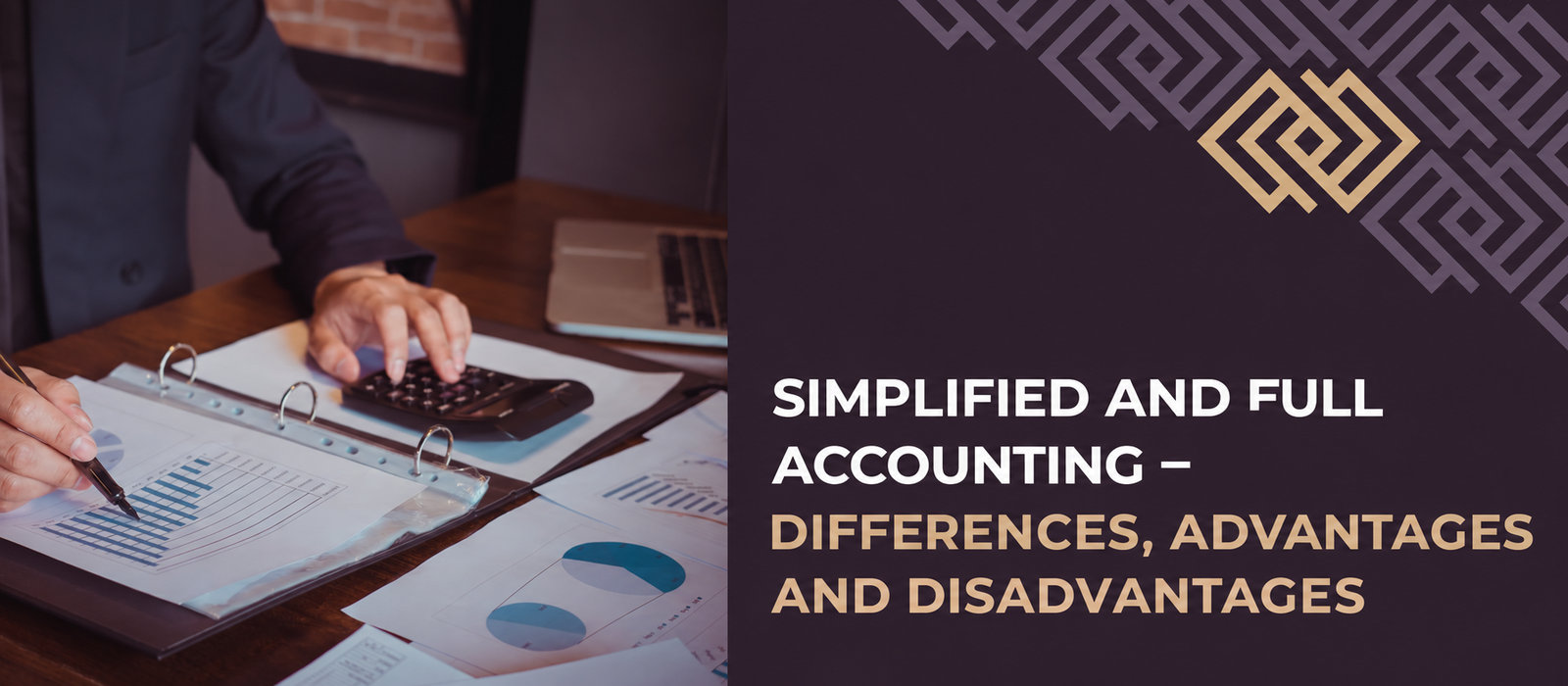
Running a business entails a range of obligations, one being correct and current accounting. Small companies can choose simplified or full accounting. What are the differences, advantages and disadvantages of each? Read on.
What is full accounting, and when is it required?
Full accounting, also called accounting books, involves recording all company transactions in detail and regularly preparing extensive financial statements, mainly:
- A balance sheet showing assets and liabilities;
- A profit and loss statement showing revenue, gains, costs and losses separately;
- Additional information, including the company's accounting policies.
Under Article 13 of the Accounting Act, the books themselves consist of several elements:
- Journal;
- General ledger;
- Subsidiary ledgers;
- Trial balances of the general ledger and balances of subsidiary accounts;
- Inventory, a list of assets and liabilities.
Keeping accounting books is time-consuming, complex and requires extensive expertise, but lets businesses analyse their position comprehensively and plan future actions. By law, the books must be kept reliably, accurately, verifiably and up to date.
Full accounting is voluntary only for small companies. Some entities must keep accounting books under applicable provisions, including:
- Commercial companies, partnerships and corporations, including those being formed;
- Civil partnerships;
- Organisational entities operating under banking law, securities trading, crowdfunding services, investment funds, insurance and reinsurance, credit unions and pension funds regulations;
- Municipalities, counties, voivodeships and their associations;
- Organisational entities without legal personality, subject to certain exceptions;
- Branches and representative offices of foreign businesses;
- Entities receiving grants or subsidies from the state, local government budgets or special-purpose funds to perform commissioned tasks;
- Enterprises with annual revenue reaching or exceeding EUR 2.5 million.

Accounting that understands your business
Leave your email address and receive guides supporting your business’s growth once a week

What is the alternative? What is simplified accounting?
Entities not listed above may use simplified accounting. This is accounting based on records in:
- The tax book of revenues and expenses, generally recording only revenue and deductible costs;
- The lump-sum tax on recorded revenue, recording revenue alone;
- The tax card, generally requiring no financial records.
These are much simpler rules for recording economic transactions than full accounting. It is therefore easier, cheaper and more commonly chosen.
Hiring an accountant for simplified bookkeeping usually costs several times less than keeping full accounting books. Some business owners also choose to keep these records themselves, although that can be stressful.
Simplified or full accounting: which should you choose? Differences, pros and cons
Full accounting produces detailed records and documents that support financial analysis and more informed business decisions. It also means greater transparency and an opportunity to build trust among clients, investors and state authorities.
On the other hand, accounting books are complex, time-consuming and costly, requiring specialist knowledge and ongoing monitoring of regulations; this entails hiring an experienced accountant or using an external accounting firm.
Therefore many companies that are not required to keep full accounts choose simplified accounting instead.
Simplified accounting is decidedly simpler and cheaper. Although it does not offer the same financial analysis as full accounting, it is considered sufficient for small entities with simple structures, especially sole proprietorships. However, it is available only to certain companies.

If you found this article interesting, explore our accounting services and read how we can help you:
Summary
Need help with accounting? Explore the services offered by the TaxCoach accounting firm and contact us today!

Interested in this article?
Enter your email address and once a week you will receive practical materials and tips to help you grow your business.

Book a free consultation
Grow your business with accounting combined with advisory services:

or