
Free online invoicing software
with KSeF support
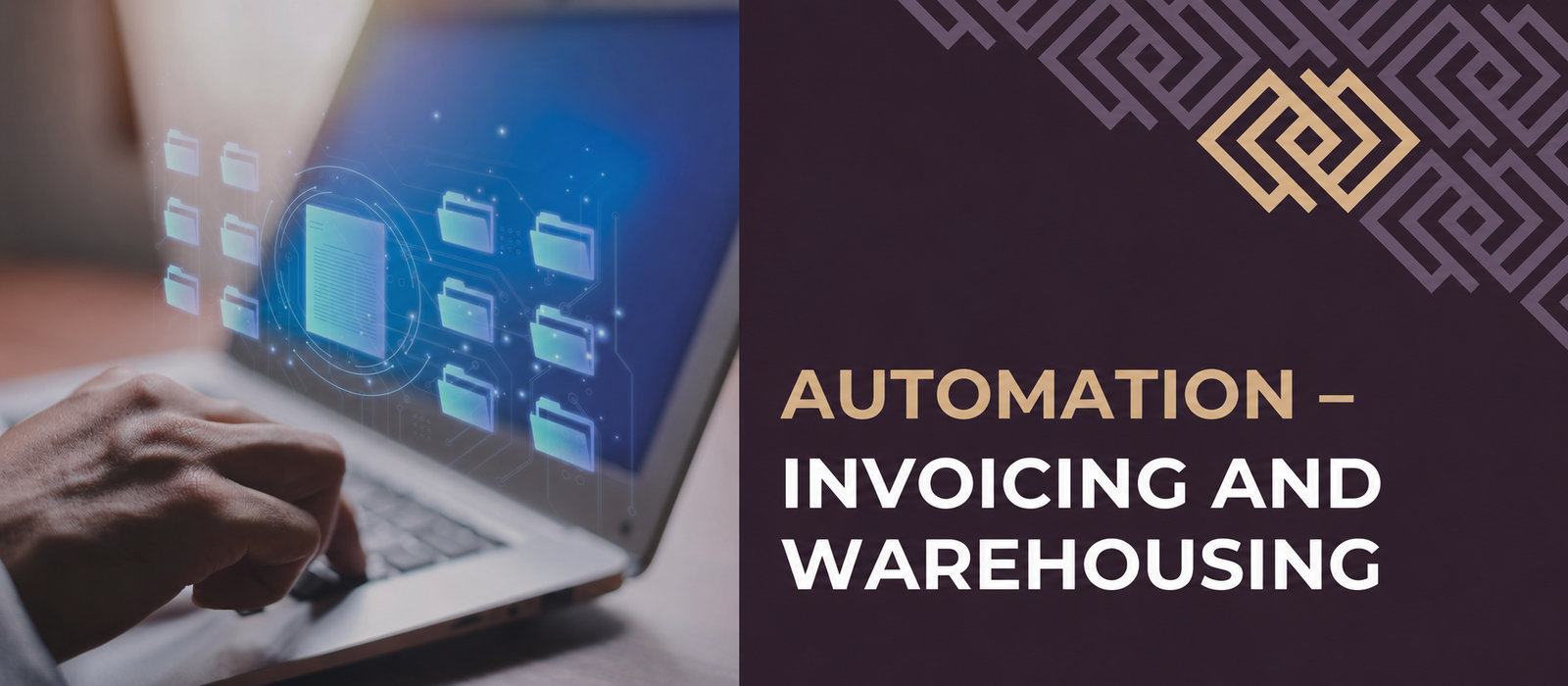
Order fulfilment can challenge e-commerce beginners. Helpful solutions include warehouse automation combined with invoicing.
Warehouse automation
It improves delivery speed, reduces operating costs, raises customer satisfaction, limits shipping errors, optimises space according to demand and improves staff safety through procedures.
Reasons include rising delivery expectations, warehouse-space costs and staffing costs. Preparing hundreds of orders is complex, affected by holidays, sector characteristics and promotions.
If warehouse productivity falls during peaks, delayed deliveries may drive customers to competitors. Automation keeps orders timely and customers satisfied.
What does it mean?
It is a set of actions simplifying preparation and dispatch. For example, a device automatically fills and prints shipping labels from system order lists, saving time over handwriting.

Accounting that understands your business
Leave your email address to receive weekly guides to help your business grow.

Three automation levels
High automation can handle over 95% of warehouse processes automatically, with minimal staff mainly supervising machines.
Medium automation uses more employees for basic tasks, making dispatch longer. At the lowest level, people do most work, producing the longest fulfilment route.
Choose the level according to needs and what the store can afford at its development stage.
Invoicing integrated with inventory
Issuing invoices together with warehouse management simplifies work and documentation, stock control and physical inventories.
Even without an inventory-management obligation, a year-end physical count is required. Integration helps and lets users check stock, quantities of goods and materials and queue management at any time.
Documents
- WZ: external issue for sale or free delivery.
- RW: internal issue of materials for the same business.
- PZ: external receipt from purchase or free delivery, particularly important without an invoice, based on delivery evidence.
- PW: internal receipt from a business unit, without counterparty details.
- MM: transfers between the same business’s warehouses.
- ZW: return of excess internally issued materials.
Many documents link to sales invoices. An invoice automatically produces WZ, simplifying sales and stock organisation.
How to implement it?
Suitable software or an application is enough. Ask the accountant or research which tools are most economical and convenient.

Interested in this article? Explore our accounting services and see how we can help:
Summary
Warehouse and invoicing integration connects order handling with stock records and supporting documents. Automation ranges from small improvements such as labels to largely automatic operations. Choosing a suitable level helps manage growing order volumes and maintain organised records.

Interested in this article?
Enter your email address and once a week you will receive practical materials and tips to help you grow your business.

Book a free consultation
Grow your business with accounting combined with advisory support:

or