
Free online invoicing software
with KSeF support
Running a business resembles driving a car. You can drive intuitively, watching the road ahead, or use navigation analysing traffic, weather and road conditions. Business Intelligence plays this role in a small company, turning raw data into a map of where you are going and the obstacles ahead.
What is BI for businesses and why take an interest?
Business Intelligence comprises tools, technologies and practices turning data into useful information. It is not about complex systems reserved for corporations. BI tools have become affordable and intuitive enough even for sole proprietors.
The real difficulty begins with interpreting results. Numbers alone say nothing unless you know which questions to ask. Before implementing analytical tools, consider which decisions you want to base on data.
Financial data as the foundation of analysis
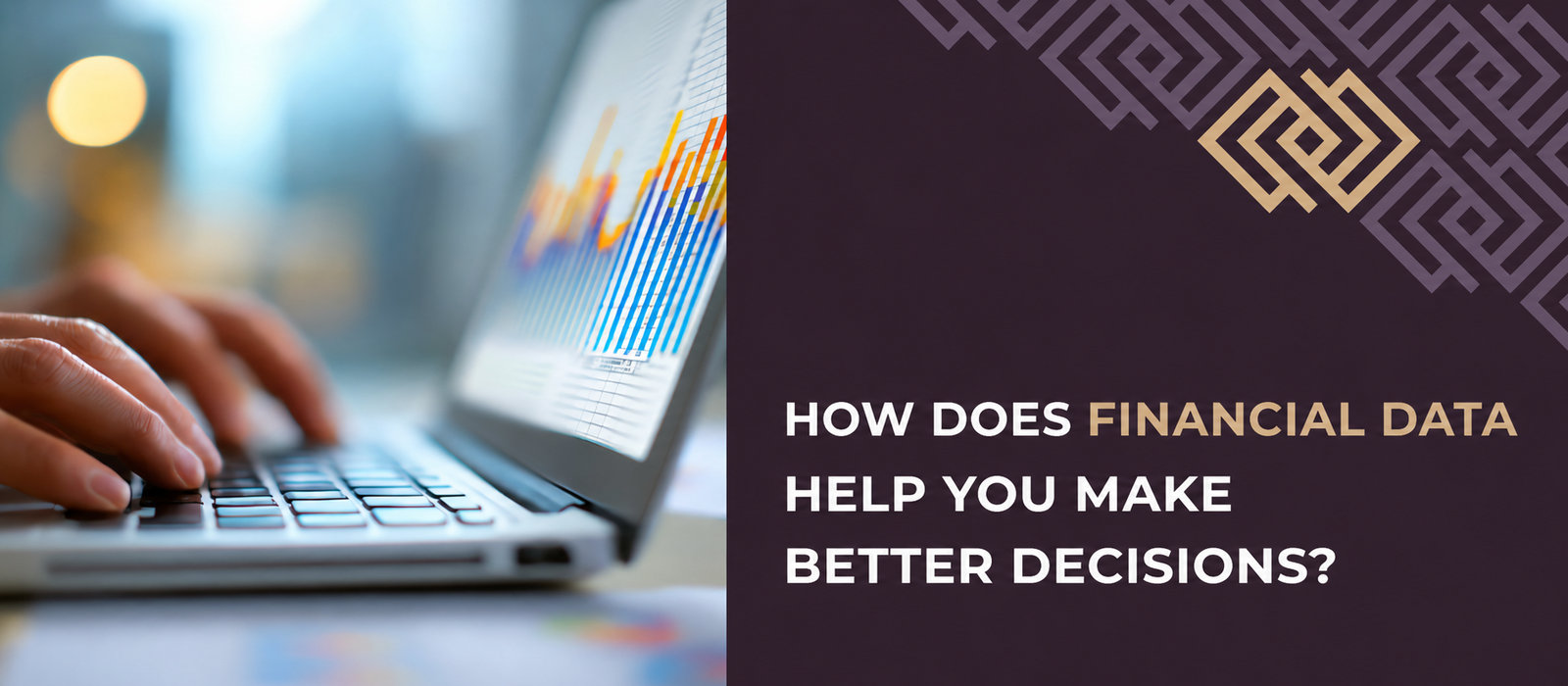
Every business collects financial data: invoices, transfers, cost statements and counterparty settlements. Often it remains scattered across accounting systems, spreadsheets and email. These sources must be organised before useful conclusions can be drawn.
Well-organised financial data answers every entrepreneur’s questions: is the margin satisfactory? Which clients generate most revenue and which cost more than they bring? When does liquidity fall and how can we prepare?
Financial data analysis — from numbers to decisions
Analysis ranges from simple spreadsheets to advanced predictive models. Most small businesses need only a few basic areas.
First, profitability analysis identifies the most profitable products, services and customer groups. A seemingly large contract often consumes so many resources that it actually loses money.
Second, cash flow forecasting. A theoretically profitable business can still face serious liquidity problems. Regular analysis predicts financial pressure and allows early action.
Third, monitoring revenue and cost trends. Slowly rising operating expenses may be hard to notice daily but materially affect results over several quarters.
Financial reporting in a small business — regularity matters
A quarterly report cannot replace monthly reviews of key indicators, so reporting should be systematic. More frequent analysis allows faster responses to warning signs.
A report should support decisions, not merely document the past. Include interpretations and recommendations alongside figures.

Accounting that understands your business
Leave your email address and receive guides supporting your business’s growth once a week

Financial KPIs — which indicators really matter?
Dozens can be tracked, but usually only a few matter to a small business. Choose KPIs according to activity and strategic goals.
Common ones include gross and net margin, current ratio, receivables and payables turnover, break-even point and debt ratio. Rather than monitor all, select three or four best reflecting business health.
Business controlling — from checking to steering
Controlling is often wrongly associated solely with cost checks. Its real role is supporting management with current, reliable information: a navigator keeping the course, not a policeman seeking blame.
In practice, compare actual results with plans, analyse variances and propose corrections. Even a simple monthly plan-versus-actual comparison can significantly improve decisions.
Power BI for small businesses — easier analysis
A few years ago, advanced analytics belonged to large companies. Today, Power BI combines affordability and extensive capabilities, integrating accounting, online banking and spreadsheet data. Users can create interactive dashboards without programming, important for owners without IT teams.
How to implement Business Intelligence?
Implementation need not be a revolution. Start small.
First, organise data. Incomplete, inconsistent or scattered information is hard to analyse. Standardised names and uniform transaction recording may suffice.
Second, define goals. What questions will you ask, and which decisions should analysis support? Without clear goals, you can get stuck collecting unused data.
Third, prepare accounting policies and organise information flows. Thoughtful recording and reporting rules control finances and provide indicators matching management needs.
Fourth, choose a tool matching business scale. A spreadsheet with well-designed formulas may be enough initially.
Consistency is the most important success condition. Even the best tool brings no benefit if rarely used.
Benefits of BI — what does the entrepreneur gain?
Businesses systematically analysing finances make better decisions, spot problems earlier and react before serious trouble. They understand customers better and allocate resources more effectively.
BI also reveals opportunities: new markets, underestimated products and customer segments with growth potential. As decisions must be faster, reliable information becomes a competitive advantage.

If this article interested you, explore our Business Intelligence implementation services and read how we can help you:
Summary
Business Intelligence implementation needs solid foundations: incomplete or incorrectly booked data is hard to analyse. Working with an experienced accounting partner is therefore the first step towards better financial information management. Taxcoach offers comprehensive accounting beyond tax returns. Experts help clients understand finances, prepare clear reports and support data-based decisions. To organise your finances and use data for informed management, contact Taxcoach.Taxcoach helps businesses organise their finances

Interested in this article?
Enter your email address and once a week you will receive practical materials and tips to help you grow your business.

Book a free consultation
Grow your business with accounting combined with advisory services:

or